If writer Vicki Baum is correct in stating that one shortcut to happiness is dancing, many men will be relieved to know that that dance does not necessarily have to be particularly memorable. Si es así, ese viaje se volvería mucho más complicado. Why are there so many men who fear dancing? Why is it that so many women experience genuine rejection due to a bad dance? In ‘Sorry I Don’t Dance: Why Men Refuse to Move’ (Perdona, pero yo no bailo: por qué los hombres se niegan a mover el esqueleto) (Oxford University Press), Maxine Leeds Craig examines the shift in perception, from associating masculinity with grace, dance, and movement, to the current belief that dancing and masculinity are now incompatible. The reason why so many men avoid dancing has to do with how they perceive their sexuality.» Avoiding appearing gay is crucial when portraying mainstream masculinity. The fear of appearing homosexual limits them when walking and gesturing.



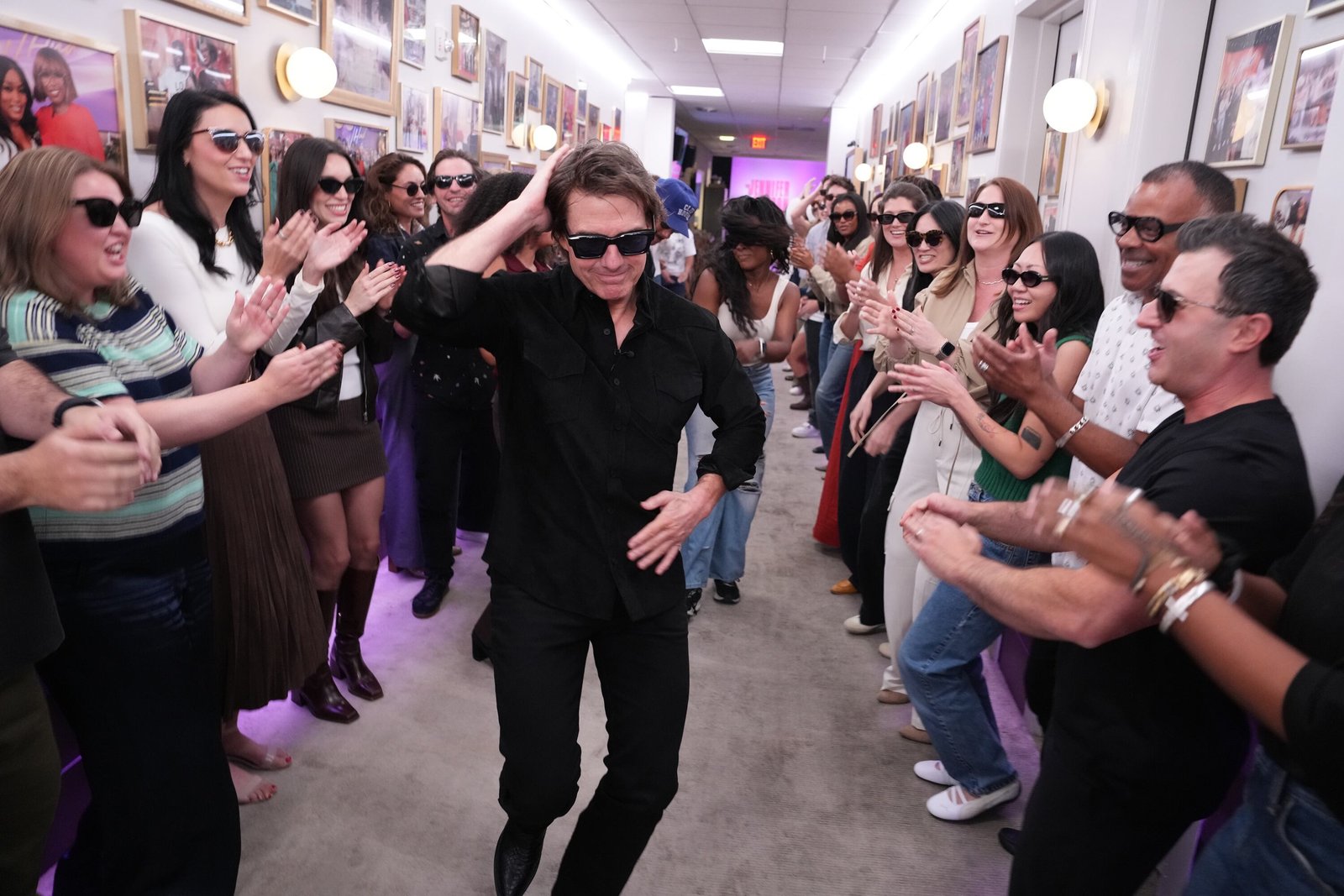
The image of a man dancing remains unclassifiable: actors in promotional television shows and politicians on the campaign trail do so, but classic masculinity still demands that they be static and clumsy.
If writer Vicki Baum is correct in stating that one shortcut to happiness is dancing, many men will be relieved to know that that dance does not necessarily have to be particularly memorable. Si es así, ese viaje se volvería mucho más complicado. Why are there so many men who fear dancing? Why is it that so many women experience genuine rejection due to a bad dance? In ‘Sorry I Don’t Dance: Why Men Refuse to Move’ (Perdona, pero yo no bailo: por qué los hombres se niegan a mover el esqueleto) (Oxford University Press), Maxine Leeds Craig explores the shift in perception of masculinity from being associated with grace, dance, and movement, to now being incompatible with dancing and movement. The reason why so many men avoid dancing has to do with how they perceive their sexuality.» Avoiding appearing gay is crucial when portraying mainstream masculinity. The fear of appearing homosexual limits them when walking and gesturing.
EL PAÍS