Si la escritora Vicki Baum estaba en lo cierto al decir que uno de los atajos hacia la felicidad es el baile, muchos hombres agradecerán saber que no es necesario que esa danza sea especialmente memorable. De ser así, ese trayecto se volvería mucho más complicado. ¿Por qué hay tantos hombres que temen bailar? ¿Y por qué a tantas mujeres a las que un mal baile les genera verdadero rechazo? En Sorry I Don’t Dance: Why Men Refuse to Move (Perdona, pero yo no bailo: por qué los hombres se niegan a mover el esqueleto) (Oxford University Press), Maxine Leeds Craig se pregunta precisamente cómo, tras haber estado asociada la masculinidad durante un tiempo con la gracia, la danza y el movimiento, en la actualidad se considera el baile y la masculinidad se han vuelto incompatibles. “La razón por la que tantos hombres evitan bailar tiene que ver con cómo se percibe su sexualidad. Evitar parecer gay es central a la hora de representar la masculinidad normativa. El miedo a parecer homosexuales les limita a la hora de andar y de gesticular. Determina cómo bailan y evita que algunos bailen jamás”, asegura. En muchísimas películas estadounidenses, especialmente adolescentes, hay una escena primordial en la que el protagonista es pillado en su habitación haciendo algo que considera humillante e íntimo: bailar al ritmo de su canción favorita.



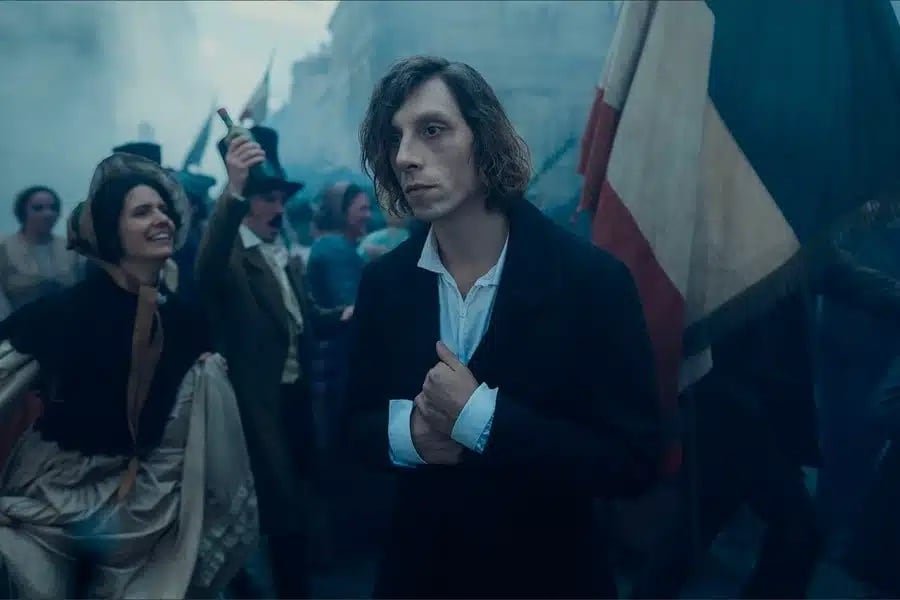
The image of a man dancing remains unclassifiable: actors in promotional television shows and politicians on the campaign trail do so, but classic masculinity still demands that they be static and clumsy.
If writer Vicki Baum is correct in stating that one shortcut to happiness is dancing, many men will be relieved to know that that dance does not necessarily have to be particularly memorable. Si es así, ese viaje se volvería mucho más complicado. Why are there so many men who fear dancing? Why is it that so many women experience genuine rejection due to a bad dance? In ‘Sorry I Don’t Dance: Why Men Refuse to Move’ (Perdona, pero yo no bailo: por qué los hombres se niegan a mover el esqueleto) (Oxford University Press), Maxine Leeds Craig explores the shift in perception of masculinity from being associated with grace, dance, and movement, to now being incompatible with dancing and movement. The reason why so many men avoid dancing has to do with how they perceive their sexuality.» It is crucial to avoid appearing gay when portraying typical masculinity. The fear of appearing homosexual limits them when walking and gesturing.
EL PAÍS